
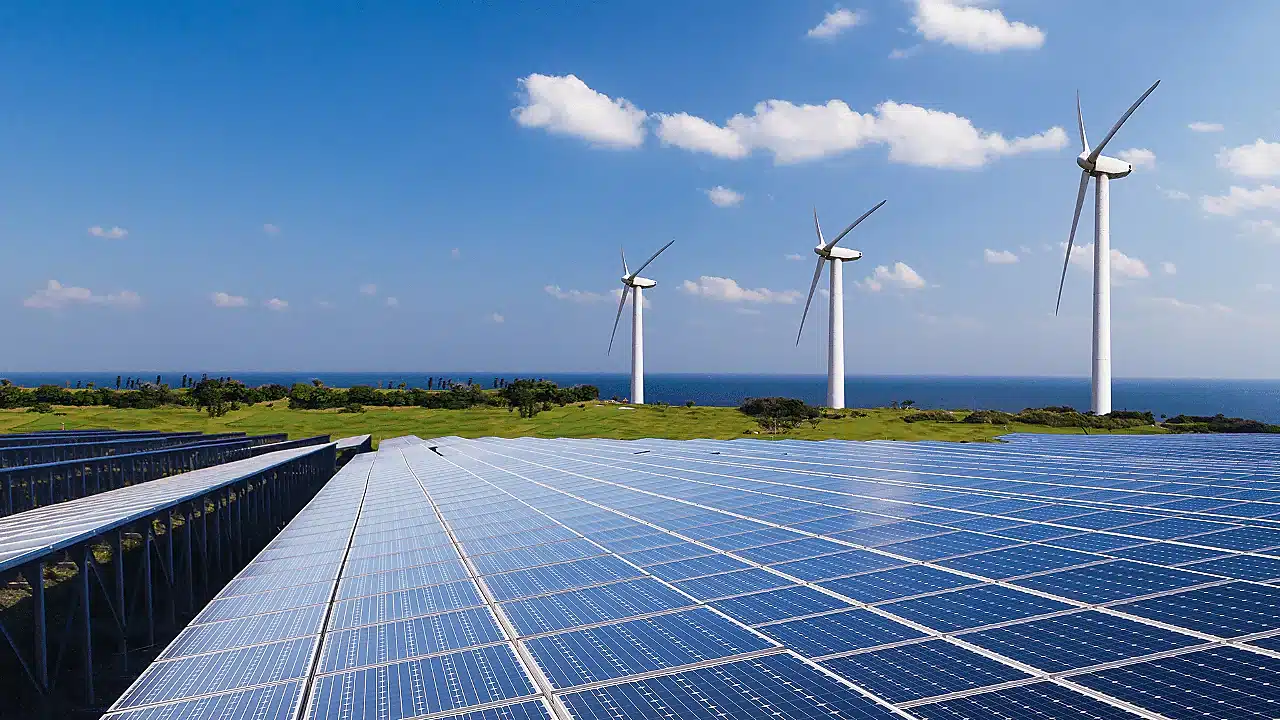
The contemporary energy paradigm witnesses a dynamic shift as sustainability intersects with automation. At the heart of this evolution, the emphasis is on creating energy systems that are not only eco-friendly but also inherently efficient. The traditional manual operations, though effective to a certain degree, have inherent limitations in terms of precision, responsiveness, and adaptability. Automation, driven by advancements in technology, seeks to bridge these gaps, ensuring that energy systems operate at optimal levels with minimal human intervention.
Central to this transformation is the role of devices like linear actuators. As silent workhorses, these components play a pivotal role in numerous automated systems. But what exactly are they? Linear actuators are devices that create motion in a straight line, contrary to the rotational motion seen in conventional motors. They can be powered by various means including electric, hydraulic, and pneumatic systems. The primary function of these devices is to move or control mechanisms and systems in response to an external signal, whether it’s adjusting the angle of solar panels or controlling the flow of water in hydroelectric dams. In essence, they translate electrical or fluid energy into precise linear movement, ensuring that renewable energy systems operate seamlessly and efficiently.
If you already know how linear actuators work and want to work on your home automation project, like automated doors for your cat or smart kitchen cabinet, you can buy electric actuator here of the necessary type.
Application of Linear Actuators in Solar Energy
In the solar energy sector, the efficacy of harnessing sunlight is paramount, and linear actuators play a critical role in elevating this efficiency. Sun-tracking solar panels are a prime example. Traditional stationary panels can only capture sunlight at a fixed angle, which is not always optimal as the sun moves across the sky. With the integration of linear actuators, these panels can tilt and pivot, following the sun’s trajectory, thereby ensuring maximum energy capture throughout the day.
Another significant application is in automated cleaning systems for solar panels. Dust, debris, and other particulates can accumulate on the surface of solar panels, potentially diminishing their performance. Linear actuators can power automated brushes or other cleaning mechanisms, ensuring the panels remain clear and functioning at peak capacity. This not only aids in maintaining optimal performance but also extends the longevity of the solar panels by reducing wear and tear.
Wind Energy and the Role of Linear Actuators
Venturing into the realm of wind energy, linear actuators again prove indispensable. The efficiency of a wind turbine is deeply linked to the angle of its blades. By adjusting the pitch and yaw of these blades in real time based on wind direction and intensity, linear actuators can ensure that turbines capture the maximum possible wind energy.
Furthermore, the health and maintenance of wind turbines are critical for their prolonged operation. Linear actuators come into play in automated maintenance and monitoring systems. Whether it’s adjusting access panels, aiding in the positioning of tools, or performing other maintenance tasks, these actuators ensure that turbines receive timely care, thereby guaranteeing their optimal performance and extended lifespan.
Hydroelectric and Tidal Energy Systems
Hydroelectric power is among the most mature and consistent forms of renewable energy. One of its primary components, the dam, relies heavily on adjustments in gates and valves to regulate water flow. Linear actuators play a crucial role here. By ensuring precise movement of these gates and valves, actuators allow for the optimal release of water, enabling turbines to generate electricity efficiently. Their importance becomes even more pronounced during periods of heavy rainfall or drought, where the accurate regulation of water is essential to prevent flooding or to preserve water reserves.
On the coastal front, tidal energy systems are emerging as a potent form of renewable energy. The ebb and flow of tides contain immense kinetic and potential energy. Capturing this energy necessitates harnessing the motion of tidal waves. Enter linear actuators. They can be integrated into tidal energy systems to move or adjust components in response to tidal movements, converting this marine energy into usable power.
Advantages of Integrating Linear Actuators in Renewable Systems
Enhanced Efficiency: At the core of renewable energy systems is the imperative to capture energy as efficiently as possible. Linear actuators facilitate this by ensuring accurate positioning, whether it’s solar panels facing the sun, wind turbine blades catching the wind, or tidal systems responding to waves. Their precision translates directly to maximized energy capture.
Reduced Manual Maintenance: One of the evident benefits of automation is the reduction in manual labor. With linear actuators at the helm, systems can self-adjust, reducing the need for frequent manual checks and recalibrations. This not only reduces operational costs but also minimizes human errors.
Increased Longevity of Systems: Constant manual adjustments and exposure to environmental elements can wear out renewable energy systems. Linear actuators, with their precise and consistent movements, ensure that these systems receive optimal care and adjustments. This leads to a reduced rate of wear and tear, thus prolonging the lifespan of the systems, and making them more cost-effective in the long run.
The integration of linear actuators in renewable energy systems symbolizes the harmonious marriage of sustainability and automation, elevating efficiency while ensuring longevity. As the world accelerates its shift towards green energy, such innovations stand as a testament to our commitment to a more sustainable future.