
Photo by Pixabay
Do you live in an area where you’re dreading the next major rainstorm? Is this because you know your property will be drenched with pooled water? If so, this might be due to an ineffective or blocked drainage system.
The best course of action in these instances is to call the blocked drain plumber Brisbane home and business owners trust. Keeping stormwater drains clean is essential for guiding water away from the property and reducing the risk of flooding and structural damage.
This post takes a closer look at the signs that let you know that your stormwater drain may be blocked.
Clarity About What Stormwater Drains are
Many homeowners who have never had to deal with major drainage issues on their property may be under the impression that sewer pipes and stormwater drains are the same thing. It’s crucial to point out that stormwater drains and sewer pipes are distinctively different, with each serving its own purpose.
Sewer pipes have been designed and installed to carry wastewater away from wet areas such as kitchens, bathrooms, and laundries. The water here is guided into the local underground sewer network.
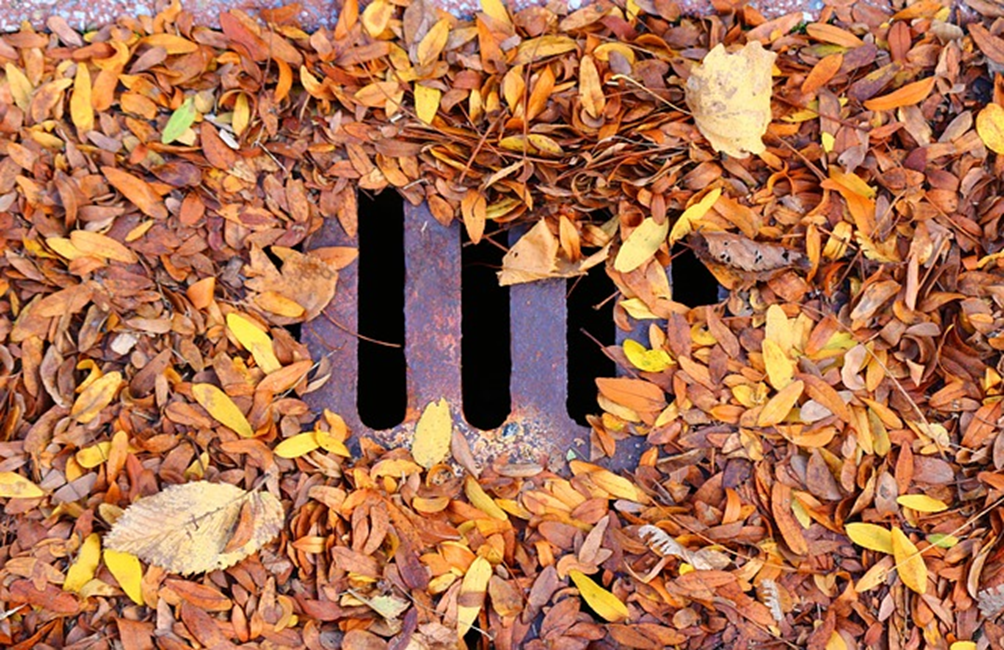
Stormwater drains, on the other hand, work to manage rainwater. These drains are designed to gather the excess water from your property as well as roads and driveways. The water is guided into underground drainage systems. Not cleaning these drains on a regular basis can quickly see them become blocked with leaves, sand, and other materials that have flowed into the drain.
Blocked stormwater drains not only cause water to pool and cause localised flooding but can also lead to significant water damage. This, in turn, can lead to long-term structural damage to your home’s foundations and structures. Excessive water pooling can also contribute to soil erosion, which is also detrimental to the environment.
Know the Signs
Stormwater drains usually don’t get blocked from one day to the next. With each storm, debris is washed into the drains, which can eventually cause blockages. This is aggravated when non-organic materials are washed into the drain.
Since the drains are underground, it’s not easy to see a blockage forming until it becomes a huge issue. To help you avoid this, our team of experts have compiled a list of the most common signs to keep an eye out for.
Slow-Draining or Overflowing Downpipes
The number one sign that you may be dealing with a blocked stormwater system is overflowing or slow drainage. Our experts recommend routinely checking all the drains on your property after a rain session to see how well the drains are draining.
This will quickly let you know if you’re dealing with a blockage lower in the drain. Don’t wait for this problem to become worse; speak to your local drainage expert for a quick assessment. Specialised equipment will be used to assess the location of any potential blockages.
Water Pools on and Around the Stormwater Grates
No matter how much it’s raining, the stormwater drain should never be full. When fully functional, water should always be flowing freely through the drainage system.
Blocked drains cause water to drain very slowly (or not at all) and pool around or on top of the drain grate. Keep in mind that severe rains can cause localised flooding when there’s nowhere for the water to drain.
Wet Patches that Don’t Clear Up
It’s normal for your yard to be wet a few hours after a rainstorm. However, if you notice that some areas remain wet long after the rain has stopped, it could be a result of a blocked drain or damaged pipe where water is seeping through.
These seepages happen when the blockages push water through cracks or damage in the drainage pipes. If you have patches like this on your property, start by checking the drain to see if there are any visible blockages or slow drainage.
Damaged Pipes and Drainage Components
While the bulk of the drainage system is underground, there are still some components that are visible. It’s essential to check these for damage, such as cracks and tears. These can be caused by tree roots that have broken through the weakened areas.
Older drainage systems or those in severely overgrown areas are more susceptible to this happening. Don’t ignore any signs of damage to the parts of the drain you can see.
Chances are that the damage extends to the underground pipes. Dealing with these issues timeously can save you money and aggravation in the long run.
Final Thoughts
Use our list of signs to help you identify a potentially blocked stormwater drain. Don’t wait for a small issue to escalate into a bigger crisis. Keep in mind that it takes one major storm to cause significant damage to your home and your property.
Local Brisbane drainage plumbers are skilled and trained to unblock all types of drains, and investing in a complete drain clean will give you peace of mind that the next bout of rain won’t leave you feeling stressed!