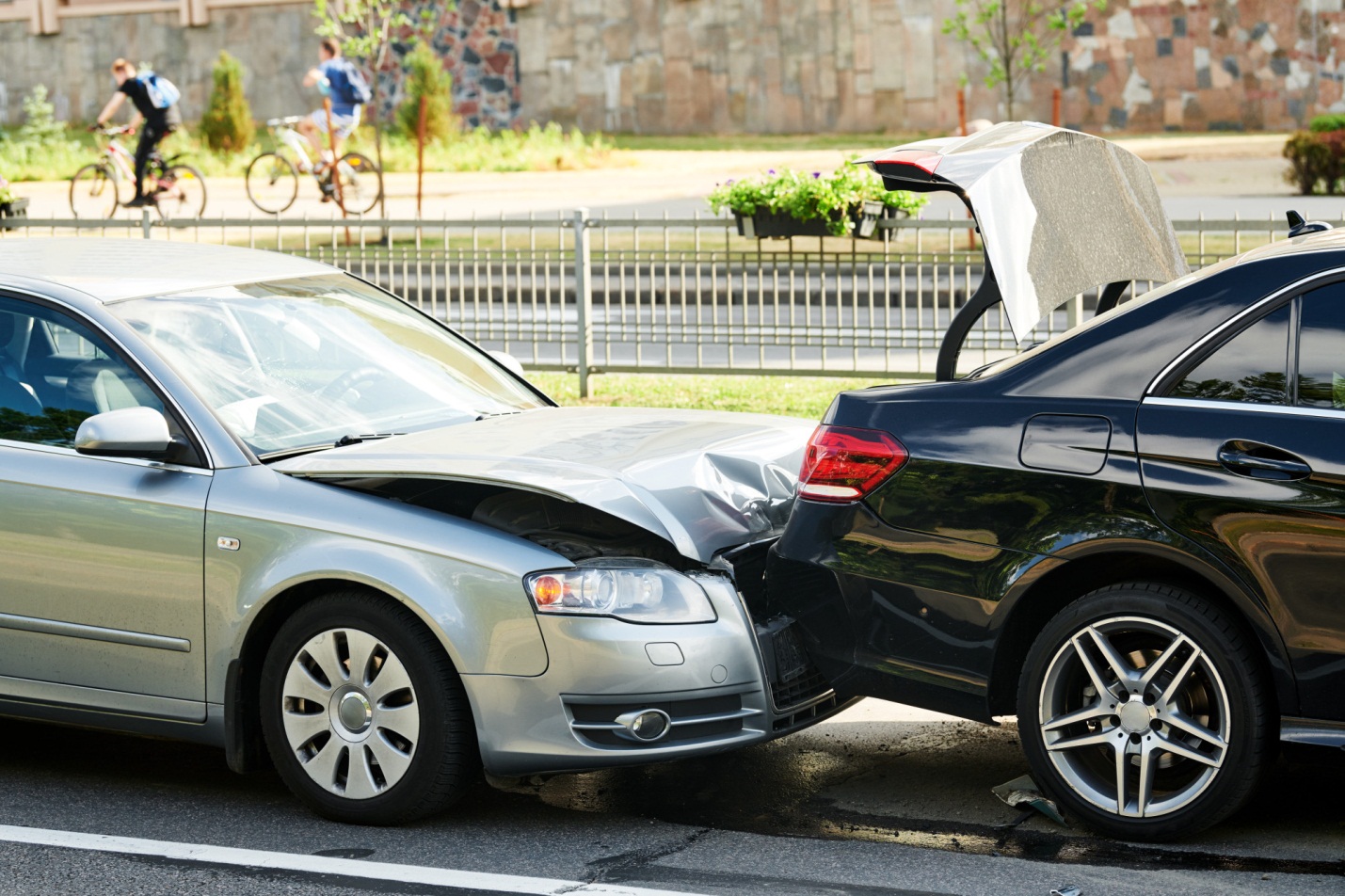
American roads are packed, with 2021 numbers totaling 228 million licensed drivers and 282.4 million vehicles. However, with more vehicles on the road than ever, the accident risk also increases. No one plans to get into an accident, so we also don’t think about what to do after a car accident.
When you have a game plan, you can execute it without allowing your emotions to cloud your judgment. Knowing what to expect and what’s expected of you can reduce your stress and anxiety levels. This accident guide will help you stay calm by being prepared.
Check for Injuries
Everyone’s health is paramount when there is a vehicle accident. First, check yourself for possible injuries. If you can safely move, then check the passengers in your vehicle.
Your next step is to check the anyone in the other vehicles involved in the accident. Do not attempt to move anyone who suffered injuries. Doing so could cause new or more severe injuries.
If anyone needs immediate medical attention, call 911 and inform the operator.
Move to a Safe Place
If you can move your car off the road, then do so. Leaving your car in the traffic path increases the risk of additional accidents for the other vehicles on the road. Stay in the immediate area, as you should not leave the accident scene.
If you cannot move the car, get yourself and your passengers to safety. Stay off the road and the path of traffic. Call a tow truck to move the vehicle to a repair shop or another location.
Do not stand on the center divider or island of a divided highway. A safer and better place to stand is on the side of the road. Ideally, several feet back from the road’s shoulder.
Call the Authorities
Many states only require you to notify the authorities if the damage and injuries exceed a particular value threshold. However, it is best to notify law enforcement no matter what. By notifying authorities, a law enforcement officer will arrive at the accident scene.
Once there, the officer will speak with everyone involved and any witnesses. They will gather all of the necessary information to make an official report. The officer will provide you and the other party with a copy of the completed report.
You can then give a copy of the official police report to your lawyer and the insurance company. Many drivers find it easier to file a report and get the compensation they deserve when they have a police report to validate their claims.
Stay at the Accident Scene
Do not leave the accident scene. Even if you are innocent, leaving the scene can place you in trouble. This is a separate driving offense that has serious consequences.
Once you speak with the responding law enforcement officer, they will clear you to leave. Only then can you safely leave the scene. Additionally, if you need emergency medical care, you can leave the scene in EMT transport.
Exchange Information
While waiting for law enforcement to arrive, you can exchange information with the other party. Only do so if it won’t put you in any danger. Emotions can run tense after an accident, and you do not want to confront someone who is angry.
When exchanging information, the more you can get, the easier it will be to pursue compensation for your injuries and damages later. Ask for this list of information from the other driver and provide them with your information.
- Full name
- Contact information
- Insurance company
- Insurance policy number
- Driver’s license number
- License plate number
- Make, model, type, and color of the vehicle
Document With Pictures and Video
Everyone hopes that the resolution of their accident won’t be contentious. Unfortunately, this isn’t the case for many. So, hope for the best but plan for the worst.
With this approach, document everything you can about the accident. Start by taking pictures and videos of the vehicles involved and the accident scene. This will document the damages, current road conditions, and weather at the time of the accident.
Should the insurance company deny the claim, this evidence will become important later to validate your version of your events.
Picture Quality
The quality of your documentation is directly related to its usefulness. Take pictures from multiple angles and distances. This allows those looking at them later to understand better what they are looking at.
For example, take a picture of the entire vehicle as it sits damaged. Then take close-up photos of the damage to show the detail.
Take pictures of your injuries both at the scene and in the days that follow. Bruising takes time to appear, so only taking pictures at the scene could result in the pictures not telling the full story of your injuries.
Collect Witness Information
In addition to the information of the other involved parties, try to collect the contact information of any witnesses. The statements from these people will be invaluable. Because they are a disinterested third party, the court and insurance companies will give their statement more weight because they do not benefit from a particular outcome.
Speak With Law Enforcement
The officer will ask you to recount the events leading up to, during, and after the accident. This is an integral part of the accident response process. Do not admit fault or partial fault during your explanation.
Stick to the facts and try to keep your emotions under control. You want your explanation to be as direct and truthful as possible. Answer the officer’s questions with straightforward answers and be polite.
Notify Your Insurance Company
Once you return home, notify your insurance company that you were in an accident. This process can be different depending on who you have car insurance through. You could file a report online, through a smartphone app, or by calling.
Once you file your claim, you will have a claim reference number. Keep this number handy because you will need it for reference moving forward. An agent may contact you to gain more information and have you make an official statement.
Speak With an Accident Attorney
Before you make your official statement to the insurance company, consider speaking with a car accident lawyer. You need to understand your rights and possible compensation. The insurance company is a business and may not offer you a fair settlement amount.
The average insurance collision claim in 2018 was $3,574. However, those with legal representation tend to have higher claim values than those without.
This typically happens because the insurance company has lawyers. When the accident victim hires attorney representation, it puts them on an even negotiating field.
Look for a lawyer with experience with the types of car accidents similar to yours. That way, they have the necessary experience and knowledge for effective representation. Ask about the lawyer’s track record with similar cases.
Past case performance does not guarantee the outcome of your case. However, you want to hire a lawyer that is successful more often than not.
Once you hire a lawyer, provide them with as much information as possible. Give them the police report, witness contact information, vehicle repair quotes, and medical bills. Your lawyer may also ask for documentation for additional damages.
Address Your Ticket
If law enforcement determines that you are at fault for the accident, they may issue a traffic ticket. Do not ignore the ticket, as this can worsen your problems and make them more expensive.
One option is to accept the ticket and pay the fine. However, doing so could impact your settlement claim. By accepting fault with the ticket, it could be argued that you are also at least partially at fault for the accident. Being at fault could reduce your compensation amount or bar you from any recovery.
Your other option is to fight the ticket. Typically, the firm representing you with the insurance settlement claim will also represent you when fighting the ticket.
Settlement or Trial
The majority of car accident personal injury claims do not go to trial. They get resolved with a settlement agreement between the insurance company and the claimant. However, if the parties fail to reach an agreement, the case could go to trial.
When this happens, each party makes their argument before a judge. The judge then rules on the case in favor of one party. If you succeed, the judge will award damages based on the claims made and evidence presented during the trial.
Stay off Social Media
These days, we document every aspect of our lives on social media. However, your car accident is one of those things that you should not post about. Any posts you make about the accident can be evidence in your settlement or trial.
If you have a claim for injuries, it is best to not post anything. An innocuous post about feeling good could be used against you to show that you aren’t in as much pain as you claim. Pictures of you doing activities could show that you are more physically able than you claim.
You also don’t want to talk about the details of the accident. You could accidentally admit fault or incorrectly communicate facts that make you seem unreliable.
Make Vehicle Repair Arrangements
You don’t have to wait for your settlement to get your vehicle fixed. A settlement could take months or even more than a year. In the meantime, you would be left without a vehicle.
The insurance company may want an adjuster to assess the damage. Alternatively, you may need to get a repair quote. It can be helpful to get two or three repair quotes to show the validity of the estimated repair cost.
Ask if your insurance coverage includes a rental car. This will give you transportation while you wait for your vehicle to get fixed.
Seek Medical Treatment
Do not wait to seek medical treatment for your accident injuries. Some states, such as Florida, have a limit on how long you can wait. In Florida, you must seek medical care within 14 days of the motorcycle vehicle accident, or you cannot recover the expense of the medical care in your claim.
Your adrenaline can flow right after an accident. This can cause you to not realize how injured you really are. You may feel fine at the scene but find yourself in pain in the following days.
Keep detailed records of your medical costs. You can give these to your attorney as part of your claim for recovery. Your medical treatment can also help validate your injury claims.
If you need ongoing or future treatment, have this communicated to your lawyer by your treating physician. They can then add this to your claim for compensation.
Ride Sharing Car Accidents
If you are riding in a rideshare vehicle or driving for a rideshare service, unique challenges arise during an accident. There are several legal implications of Uber accident incidents. For example, your car insurance covers you when driving for personal reasons.
When you drive for a rideshare, you are driving for a business and to make money. So personal car insurance won’t cover these activities. You need special car insurance coverage when driving for a rideshare.
If you are a ridesharing passenger, you could have a possible claim against your driver or the other driver. In addition, rideshare companies typically have an insurance policy that covers their drivers.
However, you must meet specific requirements to make a claim through this policy. Successfully pursuing a claim through these policies can be very challenging. Working with an experienced lawyer could help you be successful with this type of claim.
Know What to Do After a Car Accident
Now that you know what to do after a car accident, you can feel prepared should you ever experience one. After the accident, stay calm, check for injuries, and get to safety. Then notify authorities, document the accident, and begin the process of making an insurance claim.
Please browse our other lifestyle articles for more helpful advice on navigating the challenges in your life.