
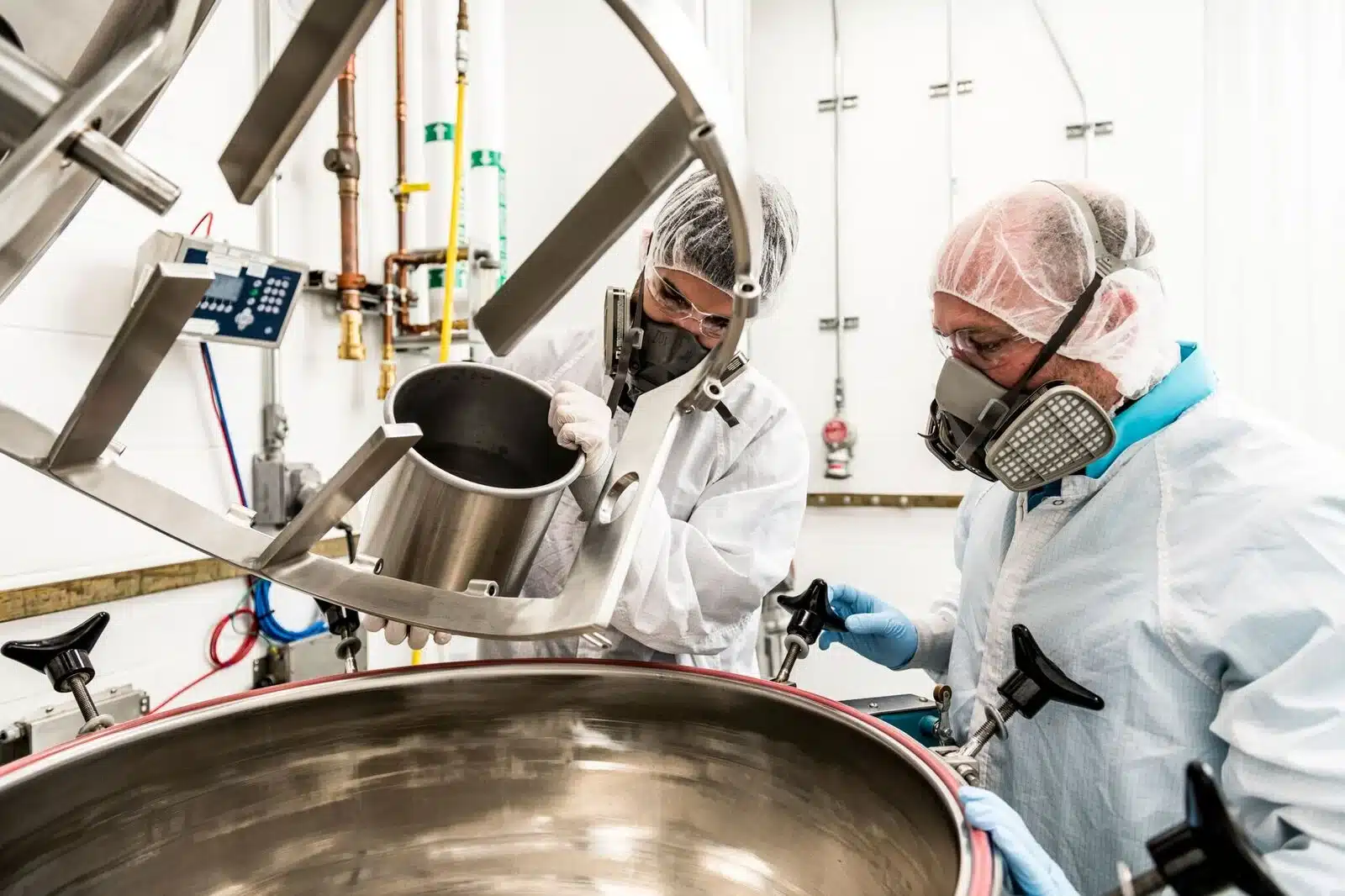
The pharmaceutical manufacturing industry is crucial in bringing life-saving drugs and therapies to the masses. This intricate process involves a series of meticulously controlled steps that ensure the final product is safe, effective, and of the highest quality.
Understanding Pharmaceutical Manufacturing
Pharmaceutical manufacturing is a multifaceted, highly regulated, and intricate process. This process, which adheres to stringent regulations and quality standards, can be broadly divided into several stages:
1. Research and Development
The journey begins with research and development (R&D). This is where scientists and researchers work on discovering and developing new drugs, therapies, and formulations. They conduct extensive studies and experiments to identify compounds that have the potential to treat specific medical conditions. These potential candidates undergo tests and trials to determine their safety and efficacy.
2. Drug Formulation
Once a potential drug candidate is identified, it goes through the drug formulation stage. During this phase, the active pharmaceutical ingredient (API) is combined with excipients to create a stable and effective drug formulation. This process aims to ensure the drug is effective and has a suitable form for administration, whether it’s a tablet, liquid, cream, or injection.
3. Preclinical Testing
Before any new drug reaches human trials, it must undergo preclinical testing. In this stage, the drug is tested on animals to evaluate its safety and effectiveness. These studies provide essential data that helps determine dosages, potential side effects, and efficacy.
4. Clinical Trials
Clinical trials are the most critical phase in pharmaceutical manufacturing. They involve testing the drug on human subjects, emphasizing safety and efficacy. Clinical trials typically consist of three stages, each with specific objectives and increases in the number of participants. These trials are conducted under strict supervision and regulatory oversight.
5. Regulatory Approval
Once clinical trials are completed, the pharmaceutical manufacturer submits the data to regulatory authorities, such as the U.S. Food and Drug Administration (FDA) or the European Medicines Agency (EMA). These agencies review the data to ensure the drug’s safety and efficacy. If approved, the drug can move on to the next stage.
6. Manufacturing
Pharmaceutical manufacturing is where the drug goes from a theoretical concept to a physical product ready for distribution. The process of pharmaceutical manufacturing involves several crucial steps:
The Role of Heat Exchangers in Pharmaceutical Manufacturing
Heat exchangers are specialized equipment designed to transfer heat between two or more fluids, ensuring precise temperature control during various stages of the manufacturing process.
1. API Synthesis
The active pharmaceutical ingredient (API) is synthesized in the initial stages of pharmaceutical manufacturing. Many API synthesis reactions are highly temperature-sensitive. Heat exchangers are used to control the temperature of the reaction mixture at the required levels, ensuring the quality and yield of the API.
2. Reaction Cooling
In some pharmaceutical processes, chemical reactions generate significant amounts of heat. If not controlled, excessive heat can lead to unwanted side reactions or degradation of the API. Heat exchangers rescue by efficiently removing this excess heat, preventing undesirable consequences, and ensuring the final product’s purity and efficacy.
3. Sterilization
Pharmaceutical products need to be manufactured under stringent cleanliness and sterility standards. Heat exchangers often provide steam for autoclaves and other sterilization processes. The precision of heat exchangers ensures that steam temperatures are consistently maintained, effectively sterilizing equipment and the final product. Fouling in heat exchangers is a common issue caused by various factors. Solid particles in the fluid can settle on heat exchanger surfaces, leading to the deposition of fouling material, which is particularly prevalent in processes involving suspended solids. Scaling, resulting from the precipitation of minerals like calcium and magnesium, can form scale deposits on the surfaces, reducing heat transfer efficiency. Causes of fouling in heat exchangers include solid particle deposition, scaling, corrosion, biological growth, and chemical reactions.
4. Solvent Recovery
Many pharmaceutical processes involve solvents, which must be recovered for environmental and economic reasons. Heat exchangers are employed in distillation and solvent recovery processes to efficiently separate and recycle solvents, reducing waste and saving costs.
5. Granulation and Drying
In the formulation of pharmaceutical tablets, granulation and drying are essential steps. Heat exchangers help control the temperature during the drying process, ensuring uniform drying and preventing clumping or moisture-related issues that could affect the final product’s quality and shelf life.
6. Quality Control
Throughout the pharmaceutical manufacturing process, strict quality control is essential. Heat exchangers are used to maintain precise temperatures during quality control tests and analyses, ensuring that the results are accurate and consistent.
7. Environmental Control
Environmental conditions like temperature and humidity can significantly impact pharmaceutical manufacturing. Heat exchangers control these parameters within the manufacturing facility, creating a stable and controlled environment conducive to high-quality pharmaceutical production.
Pharmaceutical manufacturing is a highly complex and regulated process that involves multiple stages, from research and development to manufacturing and quality control. Ensuring pharmaceutical products’ safety, efficacy, and quality is paramount.
In an industry where precision is paramount, heat exchangers enable pharmaceutical manufacturers to control critical temperature parameters, prevent undesirable reactions, and maintain the quality and safety of the final products. While often overlooked, their contributions are essential in producing life-saving drugs and therapies that improve the health and well-being of people worldwide.