
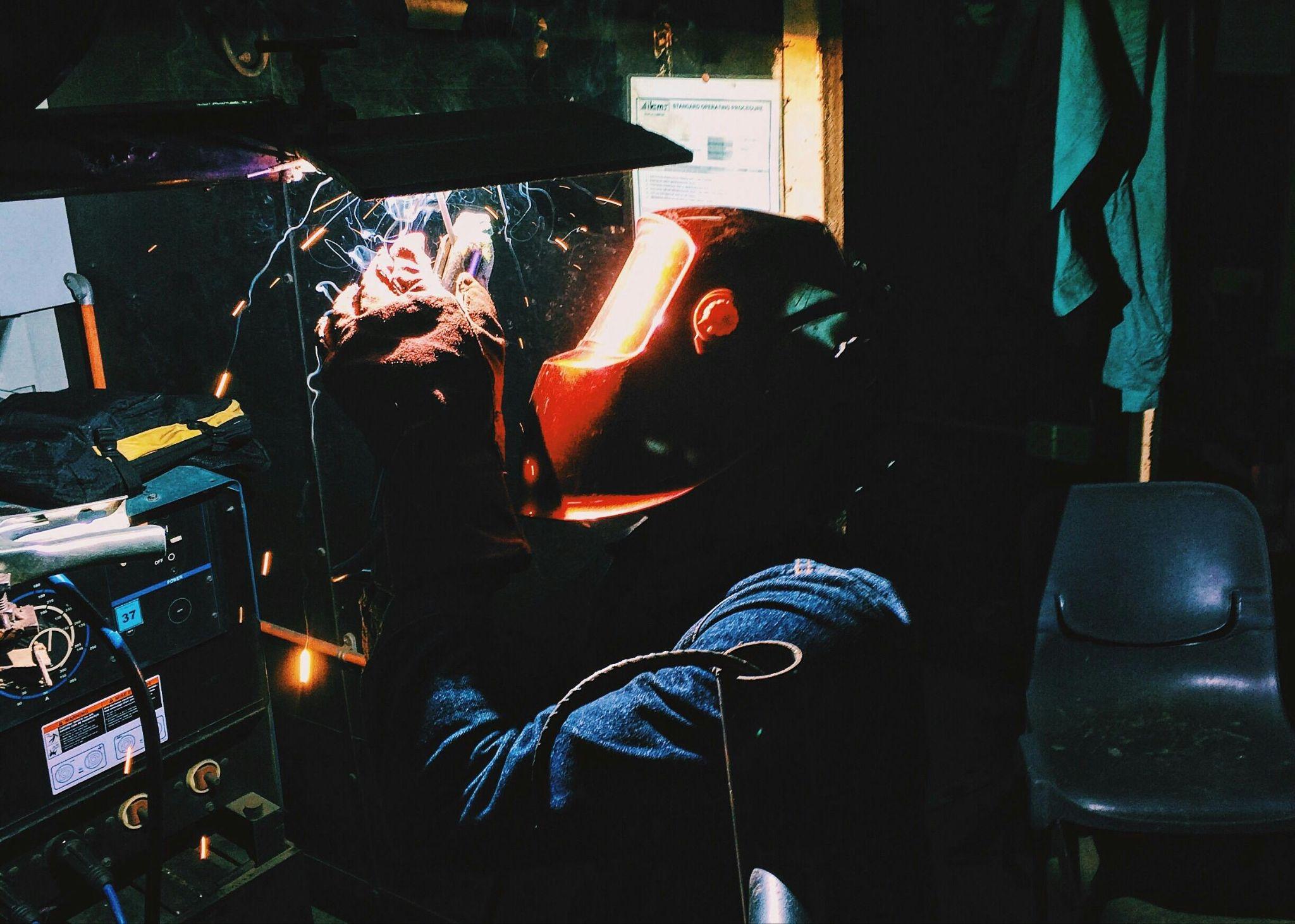
Fragmented welding workflows don’t just slow projects, but they also introduce real operational risks. When processes are handled by separate teams, every handover increases the chance of issues that ripple across a site.
Integrated welding solutions eliminate these gaps by uniting all stages under one coordinated system, supported by shared controls.
The outcome is a safer, more predictable, and more efficient operation. For industrial managers focused on priorities, this unified approach isn’t simply more convenient, it’s a measurable reduction in risk and a true performance game-changer.
Why Fragmented Welding Processes Create Operational Risks
Using multiple welding contractors may seem flexible, but it creates hidden risks that accumulate across a project. Every transition from fabrication to installation to field repairs, introduces opportunities for miscommunication, uneven weld quality, and scheduling conflicts.
These gaps slow progress, increase downtime, and heighten the chance of rework or safety incidents. Industry analysis shows that multi-contractor workflows can extend repair timelines due to coordination delays alone.
When teams rely on different procedures and expectations, accountability becomes unclear and quality becomes inconsistent. Recognising these weak points is the first step toward building a safer, more predictable operational environment.
The Value of Integrated Welding Solutions Across the Full Lifecycle
Integrated welding support creates a streamlined, end-to-end workflow that spans fabrication, installation, on-site repairs, and breakdown response.
By working with one provider, each stage follows the same standards, documentation, and operating principles, dramatically reducing errors caused by handovers. This unified approach accelerates decision-making, improves communication, and ensures a clear line of accountability.
Many teams report faster repair turnaround times because their integrated partner already understands the asset’s design and service history. By eliminating silos and aligning each phase of work, integrated welding becomes a powerful tool for preserving asset integrity throughout its entire lifecycle.
Consistency and Quality Control from Start to Finish
One of the greatest advantages of integrated welding is the consistency it brings. A single provider applies the same procedures, certifications, and quality controls across fabrication, installation, and field repairs, ensuring a uniform standard of weld integrity.
This eliminates the variability that emerges when different contractors use different methods or documentation processes. In one heavy-industry project, shifting to a unified provider reduced rework simply by keeping standards consistent from end to end.
For operations managers, this level of predictability delivers stronger compliance, greater confidence, and fewer failures in high-risk environments.
Faster Response and Minimal Downtime
When teams already understand your equipment, materials, and site conditions, response times improve dramatically. Integrated providers eliminate delays caused by onboarding new contractors or resolving conflicting approaches between teams.
This enables urgent repairs or shutdown activities to be completed more efficiently, reducing the risk of prolonged downtime.
Many industrial sites report significantly shorter outage periods, particularly during emergency call-outs. By streamlining communication and reducing handover points, integrated welding provides faster, more predictable results, keeping assets online and supporting continuous production.
Safer Operations and Better Compliance
Safety improves when all welding activities operate under a single framework of procedures, risk controls, and documentation.
Integrated teams follow unified safety systems, reducing confusion and preventing the inconsistent practices that often lead to onsite incidents. Certified welders working within the same system are better positioned to meet regulatory requirements across both workshop and field environments.
In a recent compliance audit, sites using integrated welding teams achieved higher scores due to consistent reporting and traceability. For managers, this means fewer onsite risks, smoother inspections, and a safer, more controlled environment for high-risk welding tasks.
Case Examples of How Integration Reduces Real-World Risk
Integrated welding delivers measurable improvements in real-world scenarios. In one instance, a fabrication-to-installation project avoided costly rework because the same team performed both phases, ensuring weld specifications were followed exactly.
In another case, emergency field repairs were completed hours faster because the provider already had access to the asset’s drawings, service history, and welding procedures.
During a planned shutdown, an integrated team completed all welding tasks ahead of schedule thanks to coordinated planning and unified reporting. These examples demonstrate how one provider can reduce risk, boost predictability, and protect operational continuity.
Key Capabilities to Look for in an Integrated Welding Partner
Choosing the right welding partner begins with verifying essential capabilities: certified welders, robust safety systems, and demonstrated experience across fabrication and field work.
Look for providers with in-house workshops, mobile repair teams, and the ability to manage structural, mechanical, and specialised materials. Strong QA documentation, traceability, and compliance processes are critical in high-risk sectors.
Client testimonials and proven performance in mining, construction, or heavy engineering offer additional assurance. When these capabilities are consolidated under one provider, operations managers gain confidence that every weld, across every stage meets the highest standards.
Why Integrated Welding Is a Smarter Business Decision
Integrated welding simplifies workflows, reduces unplanned downtime, and prevents the hidden costs of inconsistent quality or repeated rework.
By consolidating fabrication, installation, and field repairs under one provider, organisations eliminate overlapping schedules, duplicated effort, and communication breakdowns.
Many sites experience lower lifecycle costs after moving to integrated support, thanks to fewer defects and faster turnaround times. This approach also strengthens safety outcomes and reduces administrative effort by centralising documentation and accountability.
For industrial operations focused on reliability and long-term asset performance, integrated welding is not just efficient, it’s the most cost-effective strategy available.
A Safer, Smarter Path Forward
Integrated welding brings clarity, consistency, and control to every stage of asset maintenance reducing operational risk and eliminating the gaps that slow projects or compromise safety.
By partnering with a single provider, teams gain stronger weld integrity, faster response times, and more predictable outcomes across fabrication and field repairs.
To keep your assets safe, compliant, and performing at their best, it’s worth exploring professional welding solutions that deliver true end-to-end reliability.