
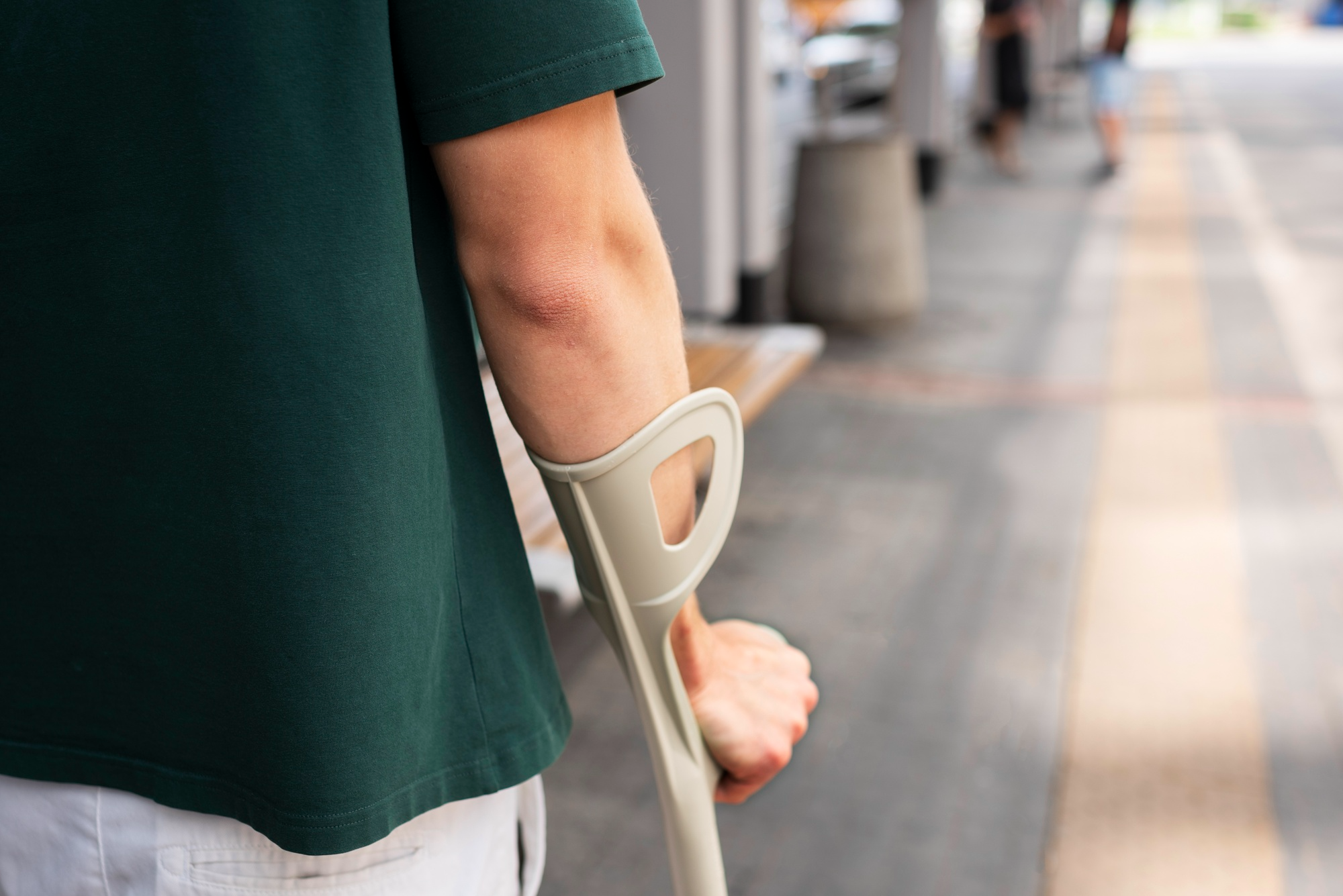
Public places are part of everyday life: sidewalks, subway stations, city parks, lobbies, and even the steps outside a public building. But what happens if you trip on a loose tile, slip on icy pavement, or get hurt because a railing gave way?
In New York, incidents like these raise important legal questions about fault, responsibility, and your right to compensation.
Spend just a weekend in New York and you’ll see how much movement and activity the city packs into every square block. From crowded subway platforms to cobblestone paths in Central Park and bustling open markets in Brooklyn, the city is built for foot traffic.
Public and semi-public spaces blend together as people weave through shops, landmarks, and transit hubs. That constant motion also means the potential for injury is never far—especially when upkeep falls behind or hazards go unnoticed.
Slip-and-fall accidents are among the most common incidents in public spaces. These might happen due to icy sidewalks, cracked pavement, poor lighting, or a missing warning sign.
In such cases, people often consult an experienced personal injury lawyer to determine whether the property owner was negligent. Legal responsibility is not based only on the existence of a hazard. It depends on whether the person or entity responsible for the space knew about the issue or should have known, and whether they had a reasonable opportunity to fix it.

To succeed in a premises liability case under New York law, the injured person must prove several things. First, the party responsible for the space must owe a legal duty of care. Then, it must be shown that they breached that duty, usually by failing to maintain the property or warn people of dangers. The breach must directly cause the injury, and the injury must result in measurable damages such as medical expenses or lost income.
Claims involving public entities, such as the City of New York or the Metropolitan Transportation Authority, follow special procedures. A document called a “Notice of Claim” must be filed within 90 days of the incident. This lets the city know about the injury and gives officials time to investigate. If the deadline is missed, the injured person may be barred from suing. The city can also require a hearing before a lawsuit moves forward. These rules make timing especially important in claims involving government property.
The results of public injury claims vary depending on the situation. Compensation may include hospital bills, rehabilitation costs, lost wages, and sometimes pain and suffering. When suing a public agency, damages may be limited by law. Some cases settle out of court, while others go to trial. Either way, clear evidence is important. This includes photos of the scene, incident reports, and medical records.
New York applies a rule called pure comparative negligence in personal injury cases. This means that even if the injured person is partly responsible for the accident, they can still recover compensation. The key detail is that the amount awarded is reduced based on the person’s share of fault.
For instance, someone who was texting while walking or ignored a posted warning sign may still have a valid claim, but their compensation would be adjusted accordingly. Unlike some states that limit recovery if the injured person is mostly at fault, New York allows recovery regardless of how much blame is assigned to the plaintiff.

If you get injured in a public place, taking action right away is important. First, seek medical attention even if the injury feels minor. Next, document the conditions around you. Take photos, collect names of witnesses, and make a note of anything unsafe. If possible, report the injury to the property manager, building security, or the city department in charge. Keep all receipts, reports, and correspondence. These steps may help support a legal claim later on.
Failing to take these steps after an injury in a public space can make it much harder to file a strong claim. For example, if you don’t report the incident to the city agency responsible for maintaining the area, there may be no official record that the hazard existed. Without photos or witness statements, it becomes easier for the municipality or property owner to deny liability. Delays in seeking medical care can also raise questions about the cause or severity of the injury.
Public injuries are often unexpected, but New York law outlines clear steps for holding public entities accountable. Whether the incident occurs on a city sidewalk, inside a transit station, or in a public park, your rights depend on how quickly you act and how well you understand the applicable rules. Discussions around public safety accountability continue to shape how government agencies respond to risk and responsibility in shared spaces.. Taking informed action early can make the difference between a denied claim and meaningful compensation.
Tags: pp