
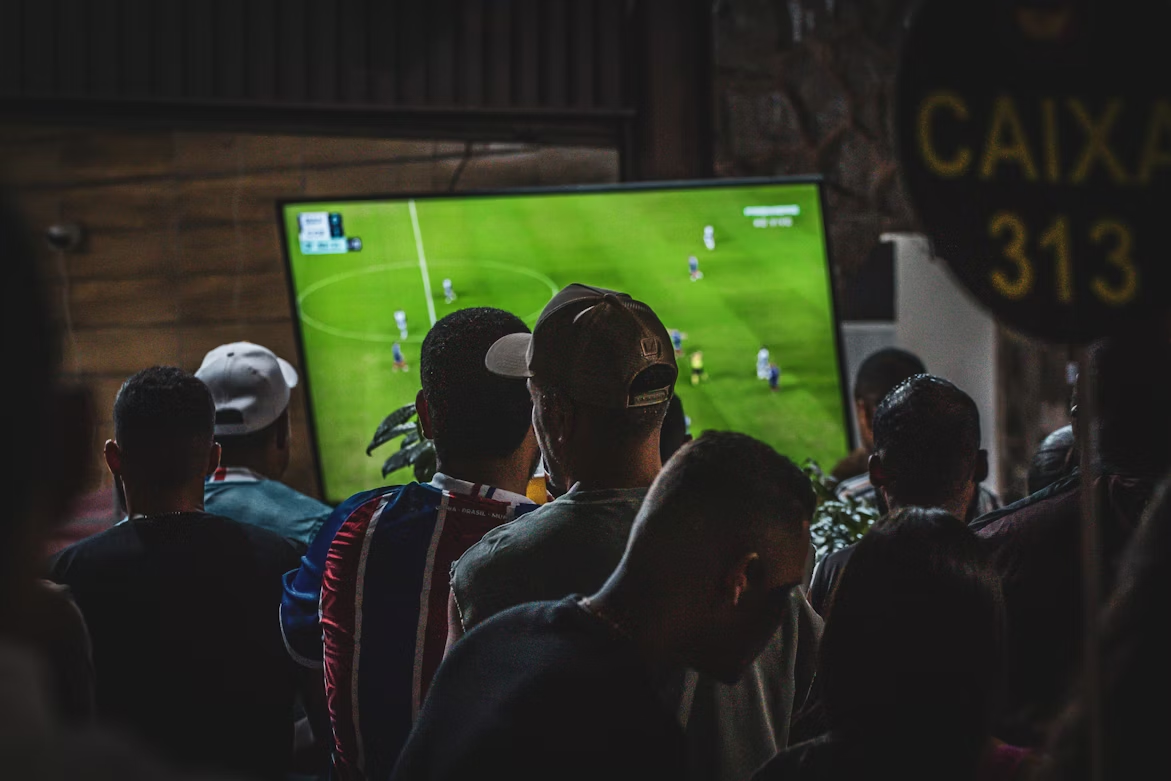
Introduction – A Game No Longer Limited by TV
Picture this: it’s a rainy Saturday morning, you’re waiting for your latte at a corner café, and while the rest of the city is just waking up, you’re already watching your favorite club kick off halfway across the world. No cable subscription, no clunky TV setup—just your phone, Wi-Fi, and the rush of seeing the ball hit the net in real time. That’s the power of streaming, and it’s quietly changing the way fans experience soccer.
Of course, it’s not just about convenience. Streaming is reshaping everything—how we gather, how we cheer, and even how we place our bets. For some fans, catching a live match is as much about community as it is about the scoreline, and the digital age is rewriting the rules of that connection. Betting too has become a seamless part of that digital shift, especially with platforms tied closely to live streams (แทงบอล is one of the ways fans in certain regions connect their passion with a little extra excitement).
From Living Room to Everywhere: The Rise of Streaming
There was a time—not so long ago—when the weekly match meant gathering in the living room, switching to the right channel, and hoping your local broadcaster had the rights. Missed it? Too bad. Maybe you’d catch the highlights on a recap show.
Streaming platforms flipped that script. Suddenly, matches weren’t locked behind cable packages or regional restrictions. You could watch from your office desk (don’t worry, I won’t tell your boss), during a long train ride, or curled up in bed under the covers. It turned soccer into something portable, something you could carry with you anywhere—like your playlist or your group chats.
And here’s the kicker: the shift didn’t just change the “where.” It changed the “when” too. On-demand replays, condensed match highlights, and even interactive match feeds mean you’re not tied to the kickoff clock anymore.
Global Access Means Global Fandom
One of the most underrated gifts of streaming? Geography stopped being a barrier.
A fan in Thailand can watch the same Premier League match at the exact same moment as someone in New York. A teenager in Nigeria can fall in love with a club in the Dutch Eredivisie without ever setting foot in Amsterdam. Women’s soccer—once sidelined to limited broadcast slots—now has global visibility, with leagues and tournaments gaining international followings they never had before.
It’s almost poetic: soccer, the world’s game, finally feels like it belongs to the whole world.

The Social Layer – Chats, Memes, and Digital Banter
But let’s be honest—watching the game is only half the fun. The other half? Talking about it while it’s happening.
Streaming hasn’t killed that; if anything, it’s amplified it. Twitter threads light up during matches. TikTok fills with instant reactions and meme-worthy moments. Fans gather on Discord servers, Reddit threads, and even within the chat features of streaming apps themselves. It’s like sitting in a stadium surrounded by thousands of voices—except this time, the “stadium” is your feed.
And there’s something strangely intimate about it too. You might never meet that person live-tweeting from another country, but in that moment, when your team scores in stoppage time, you’re both screaming at your screens in perfect unison.
Changing How Fans Support and Spend
Of course, passion and money have always been entangled in sports, and streaming only tightened that bond.
Instead of just a cable bill, fans now juggle subscriptions: one platform for the Champions League, another for domestic matches, maybe an extra fee for special tournaments. Add to that pay-per-view matches, and suddenly your “cheap” streaming habit starts stacking up.
Clubs and leagues are capitalizing too. Some offer their own dedicated streaming channels, complete with behind-the-scenes content, exclusive interviews, and training footage. It’s not just about watching matches anymore—it’s about living inside your team’s world.
And then there’s the betting angle. Live streaming makes in-play betting almost irresistible. Odds shift by the second, and with the match right in front of you, the urge to make a call—on who scores next, or whether the next corner leads to a goal—feels immediate and thrilling. It’s a new kind of engagement, and while it brings excitement, it also raises tough questions about the balance between entertainment and over-commercialization.
A Double-Edged Sword: Freedom and Fragmentation
Freedom is great—until it isn’t.
Yes, streaming gave fans control. But it also splintered the soccer experience. Want to follow the Premier League, La Liga, and the Champions League? Get ready to subscribe to three different services. Blackouts still exist, too, especially when rights deals clash. And while official platforms fight piracy, bootleg streams remain a shadowy but tempting alternative for many.
It’s a bit like chasing your favorite food truck across town. The joy of variety is there—but so is the frustration when you can’t find it.
Players and Leagues in the Spotlight
For players and smaller leagues, though, this new world is golden.
Streaming deals mean exposure for clubs that once struggled for airtime. A second-division match in Spain might suddenly find fans in South America. Women’s teams, often neglected by big broadcasters, are now front and center on dedicated platforms.
And let’s not forget players themselves. Many hop on Twitch or YouTube to connect directly with fans, streaming video games, Q&A sessions, or even casual chats. Documentaries—think All or Nothing on Amazon—pull back the curtain, letting fans see the personalities behind the kits. The result? Players are no longer just athletes; they’re relatable figures, part of fans’ everyday digital lives.
Technology Behind the Curtain
Of course, none of this happens magically. Behind the simple “play” button is a maze of tech.
Adaptive streaming ensures that whether you’re on blazing-fast fiber or shaky airport Wi-Fi, you still see the game. High-definition streams bring the stadium into your living room—down to the blades of grass. And yet, there’s always that one frustration: latency.
We all know the pain of hearing your neighbor scream “GOAL!” 20 seconds before your stream catches up. That split-second lag is a quirk of internet broadcasting, though engineers are working on it. And the future? Think VR headsets putting you in the stands, or interactive camera angles that let you follow your favorite player the whole match.
Looking Ahead – Soccer as a Shared Digital Ritual
Streaming didn’t just add convenience; it reshaped ritual.
Now, pre-match rituals include scrolling prediction apps, watching highlight reels on YouTube, or arguing in WhatsApp groups. Post-match, fans dissect every moment in group chats, on TikTok, or via long-form podcasts. The “90 minutes” have stretched into a full-day cultural event.
For younger generations, this is simply what soccer is. They may never know the agony of setting the VCR to record a game at 2 a.m. Instead, their memories will be tied to watch parties on Twitch, instant goal alerts, and heated debates happening across multiple screens at once.
Conclusion – The Game Finds You Anywhere
So, back to that café. You take a sip of your latte, the match on your phone heating up, and even though you’re alone, you’re not really alone at all. Somewhere, a fan across the globe is watching the same play, sending the same emoji into a chat, maybe even placing the same bet.
Streaming changed the where, the when, and the how. But the why—the reason we watch, the joy of the game—that’s timeless. Whether it’s in a packed stadium, on a giant living room.