
The kratom industry now boasts over a million users in the United States. Its rise in popularity likely stems from claims of its physical and mental health benefits. But these claims are not without their concerns, especially around certain alkaloids in the kratom leaf and their manipulation for public consumption. But are these concerns justified?
See, kratom products and producers currently have minimal regulation. The Food and Drug Administration (FDA) does not recognize it as a dietary supplement and doesn’t have enough research or data to support any medicinal claims. While some states have enacted industry standards and others have all-out bans, kratom and its related products remain in a sort of regulatory limbo.
That raises significant quality control and consumer safety concerns. Without federal oversight, there are risks of product contamination or adulteration. So how are consumers supposed to stay safe?
The Core Problem: An Unregulated Landscape
In general, the FDA doesn’t approve dietary supplements for safety or efficacy before they’re sold, thanks to the Dietary Supplement Health and Education Act of 1994. However, the agency does require notice of any new dietary ingredients (those not marketed in the U.S. before October 15, 1994). Kratom and kratom-adjacent products fall into this category.
Still, even as new dietary ingredients, products remain largely unregulated. The FDA may list something as unapproved because of a lack of research, but that doesn’t prohibit its sale. The push for this research is important to further prove safety and efficacy of these products beyond the myriad anecdotal evidence.
The controversy around kratom and related supplements is tricky. On one hand, you don’t want to prevent people from doing something that may help or encroach on individual choice. But on the other hand, you want to protect people and society from unscrupulous sellers or contaminated products. These sellers and products represent only a small portion of the larger market that practices transparency and lab testing.
These ideas have sparked discussion in medical institutions and widespread debate through regulatory agencies.
Contamination Risks
The contamination or adulteration of kratom products is a real concern. There have been some reports of overdoses and medical emergencies stemming from adulterated kratom products. Even when products aren’t intentionally laced with something, lax manufacturing practices can lead to other forms of contamination, like Salmonella.
Contamination risks can be mitigated by researching brands before you purchase from them to make sure they lab test and share the results.
Potency Concerns
Another concern is the combination of alkaloids in kratom, or more specifically, the extraction and synthesis of specific alkaloids. In recent years, the market has been flooded with several variants of 7-hydroxymitragynine (7-OH), a potent alkaloid found only in trace amounts in the natural kratom leaf.
These variants come in high-potency capsules, powders, and extracts. The problem is that synthesizing this specific alkaloid increases the risks of it, which has opioid-like effects that are ten times stronger than morphine. Fortunately, many respected brands still offer kratom in its natural form of powders and capsules, so those interested in or already using kratom, can still access those popular products.

The Industry’s Response: The Rise of Self-Regulation
So, how is the industry responding? Self-regulation. While that may not instill a lot of confidence, the prominent kratom producers understand the need and importance of regulation and industry safety standards. That’s why they turn to third-party organizations and lab testing to help prove safe practices and products.
The American Kratom Association
The American Kratom Association (AKA) is a leading advocacy group, formed to protect consumer rights and establish credible industry standards. The group’s voluntary Good Manufacturing Practice Standards program is often touted as the gold standard for the industry, specifying processes to ensure clean, safe, and professional production of kratom products.
But is this form of voluntary regulation enough? Consumer education, commercial transparency, and industry cooperation can only go so far. Genuine and expansive quality control requires federal oversight, but how much and when depends on defensible research and evidence.

The Consumer Solution: A 3-Point Safety Check
Look, while new to many people in the West, natural kratom has a long and well-documented history. Its use in Southeast Asian cultures dates back to the early 19th century, some sources suggest even earlier. This is likely why there is a growing interest in the leaf and its newer forms (powders, capsules, extracts, etc.).
So, if the leaf has a longstanding history, why is the FDA so slow to regulate it and similar products? The problem lies in the manufacturing of kratom and its related synthetic products. While the FDA isn’t against the natural kratom leaf, the current industry has done little to demonstrate safety and consistency in production. That’s why verifying safety and purity is still the responsibility of the consumer. Thankfully, there are steps you can take to investigate and verify kratom vendors and products.
1. Third-Party Lab Testing
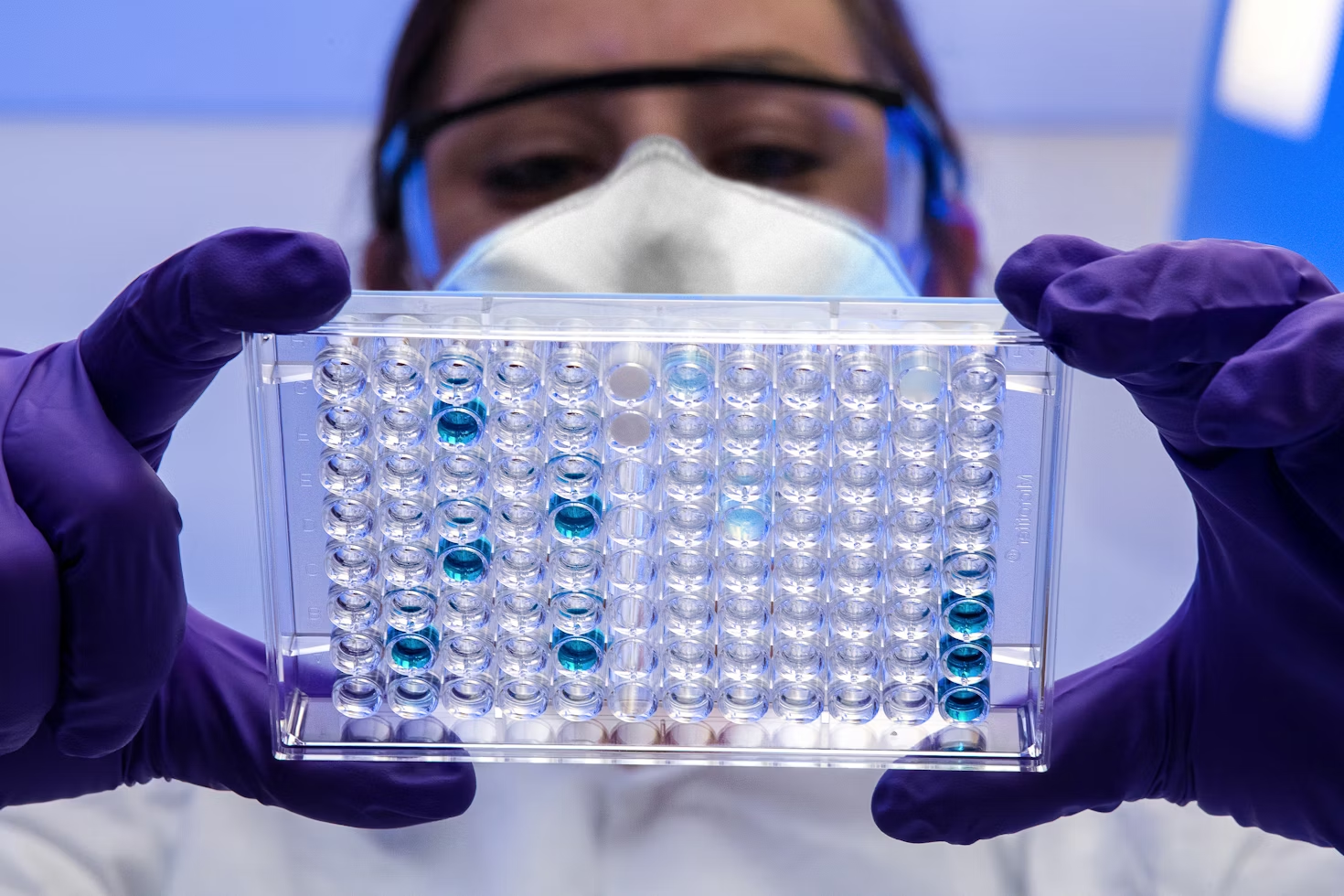
When buying kratom, it’s highly suggested to review the Certificate of Analysis (COA) for the product. The COA is a document that provides information about the testing of a specific item. In the case of kratom, it should verify the potency (alkaloid levels) and purity (absence of contaminants). The document should also come from an independent lab, not one associated with the manufacturer.
2. Qualifications and Certifications
Vendors should also identify any qualifications or certifications they may have, anything that identifies their credibility as a seller. This can be a seal from an organization like the AKA or a demonstration of knowledge and commitment to consumer education.
3. Vendor Transparency
When looking to buy kratom, who do you trust? You want a transparent vendor. One that owns a professional website and provides clear sourcing information. It’s also important to look for accessible customer service and vendors who focus on educational content over hype.
The Continued Debate: Consumer Safety and the Kratom Industry
While many manufacturers are taking a self-regulated approach or using current state regulations as standards, consumers still need to remain educated and vigilant. Everyone, consumers and vendors alike, should push for protections and standards, to reduce the potential risks. Stay safe, and remain educated.