
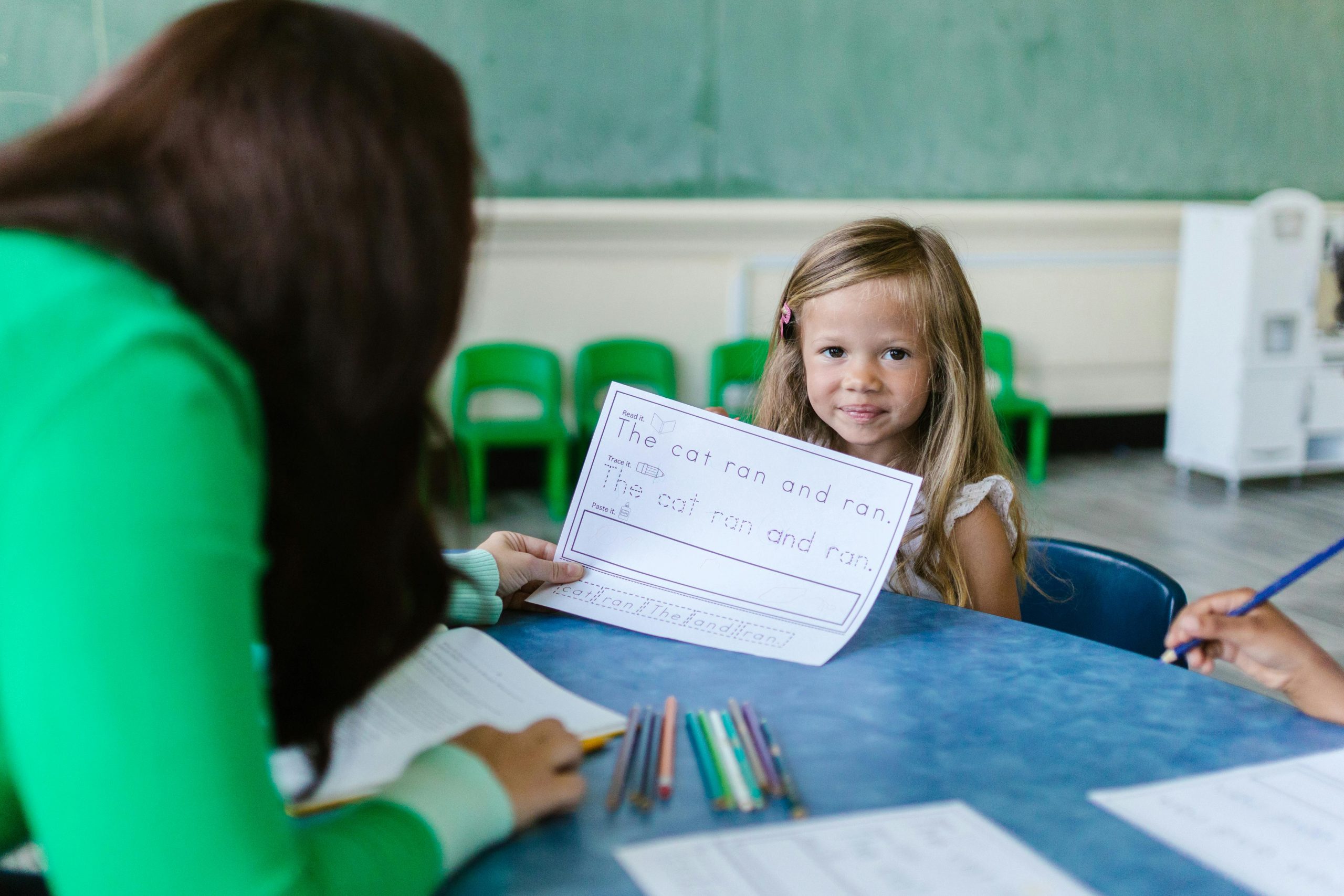
Across the country, schools are facing increasing pressure to meet the growing and diverse needs of students who require special education services. At the same time, parents are more informed, more involved, and more eager than ever to ensure their children receive the support necessary to succeed both academically and socially.
Yet finding high-quality special education services remains one of the biggest challenges many school districts and families face today.
From staffing shortages to increasing caseloads, schools are navigating a complicated landscape. Meanwhile, families are often left wondering whether their children are truly receiving the individualized support they need to thrive. As the demand for services continues to rise, the conversation around what makes a “great” special education provider has become more important than ever.
The good news is that there are clear indicators schools and families can look for when evaluating educational support services.
Strong Relationships Matter Just as Much as Credentials
One of the most overlooked aspects of special education success is the importance of relationships.
While certifications, licensure, and technical expertise are critical, the best educational support providers understand that meaningful progress happens when trust exists between educators, therapists, students, and families.
Children receiving speech therapy, occupational therapy, counseling, behavioral support, or other specialized services often spend significant time working one-on-one with providers. Those relationships can directly impact student confidence, classroom participation, and emotional growth.
Schools that prioritize relationship-centered providers frequently report stronger collaboration among staff, improved communication with families, and more consistent student outcomes.
Families should pay attention to how providers communicate. Are they approachable? Do they explain progress clearly? Do they collaborate well with teachers? Are they responsive to concerns?
A provider who sees a child as more than just a case file often creates the greatest long-term impact.
Consistency and Stability Are Essential
One major issue affecting special education programs nationwide is turnover.
Many schools struggle to maintain consistent staffing for specialized positions such as speech-language pathologists, occupational therapists, school psychologists, and special education consultants. Frequent changes can disrupt student progress and create additional stress for school teams and families alike.
Consistency matters because students often need time to build comfort and familiarity with providers. Constant staffing changes can interrupt therapeutic momentum and make transitions difficult for students who thrive on routine and predictability.
That is why schools increasingly value service providers who not only recruit qualified professionals, but also support them well enough to retain them long term.
When providers feel supported professionally and personally, schools benefit from stronger continuity of care and students experience greater stability in their learning environments.
Data-Driven Services Lead to Better Outcomes
Another important factor in evaluating special education services is whether decisions are guided by meaningful data.
The best educational support programs do not rely solely on assumptions or generalized staffing models. Instead, they analyze student needs, caseload demands, scheduling realities, and service requirements to ensure resources are allocated effectively.
Data-driven planning helps schools avoid both understaffing and overspending. It also helps administrators make informed decisions about compliance, scheduling, budgeting, and service delivery.
For families, data transparency can provide reassurance that their child’s support plan is being monitored thoughtfully and adjusted when necessary.
Effective providers regularly measure progress, communicate goals clearly, and adapt interventions based on student outcomes rather than simply following routine procedures.
Flexibility Has Become More Important Than Ever
The educational landscape has changed dramatically over the past several years.
Many districts are now navigating staffing shortages, budget constraints, increased student needs, and evolving expectations around accessibility and inclusion. As a result, flexibility has become a critical quality in educational support services.
Schools benefit from providers who can adapt quickly, offer multiple service delivery options, and collaborate creatively to solve challenges.
Hybrid models that combine in-person and virtual support have become increasingly valuable, particularly in rural or underserved communities where finding qualified specialists may be difficult.
Some providers now offer teletherapy, consultation support, and technology-assisted services that allow schools to expand access without sacrificing quality.
This flexibility helps ensure students continue receiving services consistently, even when staffing or geographic challenges arise.
Families Should Feel Empowered to Ask Questions
Parents and guardians play a vital role in the success of special education services.
Families should feel encouraged to ask thoughtful questions when evaluating providers or school support systems. Questions might include:
- How are student goals measured?
- How often is progress reviewed?
- How are providers matched with students?
- What communication can families expect?
- How does the organization support staff retention?
- What happens if staffing shortages occur?
- How are services adapted for different student needs?
Transparent organizations welcome these conversations because they understand that trust is built through open communication.
Families who feel informed and included are often better equipped to advocate effectively for their children and collaborate productively with school teams.
A Growing Focus on Whole-Child Support
Today’s strongest special education programs increasingly focus on the “whole child” rather than isolated academic performance alone.
This means considering emotional well-being, confidence, social development, communication skills, independence, and long-term success alongside classroom achievement.
Students who receive thoughtful, individualized support are often better prepared not only academically, but also personally and socially.
This broader perspective has become especially important as schools continue addressing the mental health and developmental impacts many students experienced in recent years.
Support services that integrate compassion, collaboration, and individualized attention can significantly improve a student’s overall educational experience.
The Right Partner Can Make All the Difference
As schools continue searching for sustainable ways to meet student needs, choosing the right educational support partner has never been more important.
Organizations that combine experienced professionals, collaborative relationships, data-informed planning, and flexible service models are helping districts navigate increasingly complex educational challenges.
One example is Boothby Therapy Services, a New England-based provider that supports schools through specialized educational staffing and therapy services while emphasizing both data-driven planning and relationship-centered care.
Ultimately, great special education services are not just about filling positions or checking compliance boxes. They are about helping students feel supported, understood, and capable of success.
When schools, providers, and families work together with that shared goal in mind, students are given the opportunity not only to meet expectations, but to exceed them.